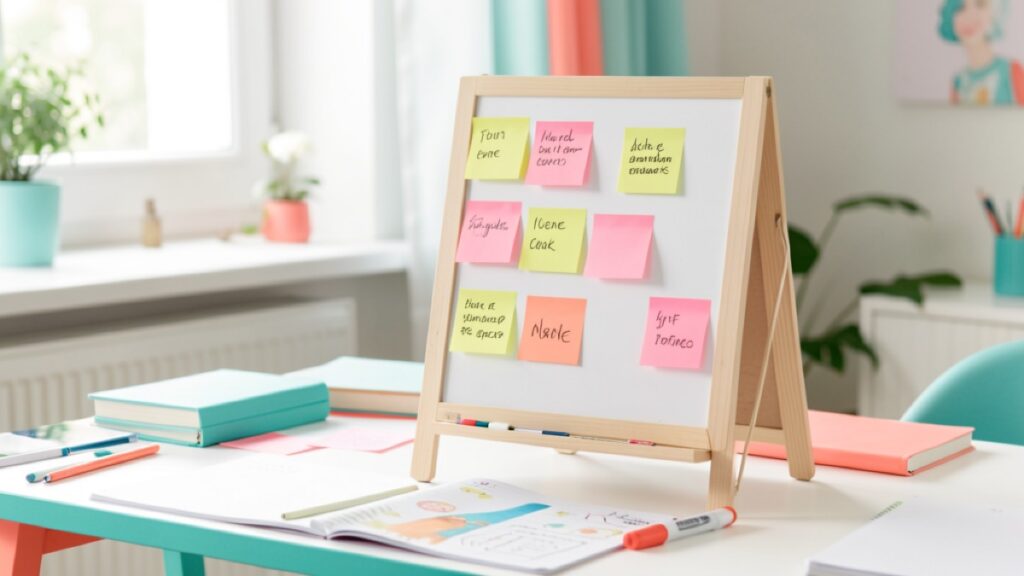
A short paid workshop is easier to deliver well when it focuses on one usable skill. Trying to compress an entire course into a single session often leaves little time for practice or questions. Begin with a specific outcome participants can attempt during the workshop and a clear description of the knowledge or equipment they need beforehand.
Choose an outcome that fits the session
Define the audience and the task they should be able to perform by the end. A session for complete beginners needs different examples and pacing from one for experienced users. State prerequisites honestly in the description so participants can judge the fit. Avoid promising professional competence from a brief introduction or implying that attendance provides a regulated qualification when it does not.
Build the session around a short explanation, a guided attempt, and an independent exercise with feedback. Use original or appropriately licensed materials and test the activity with someone at the intended level if possible. Allow time for setup problems and questions. A plan that uses every minute for presentation can fail when a participant needs help opening the file or understanding the first instruction.
Plan delivery, access, and follow-up
Price the workshop after considering preparation, platform or venue costs, payment fees, materials, administration, and follow-up. Check local business and tax obligations. Set a manageable participant limit that matches the support you can provide, and explain cancellation or minimum-enrollment terms before taking payment. A larger audience may increase revenue while reducing the quality of the practice that makes the session valuable.
Provide accessible materials and clear joining instructions. Ask only for necessary participant information and obtain consent before recording or sharing identifiable contributions. After the session, send the promised resources and invite specific feedback about the learning task. Use that evidence to improve a later workshop rather than relying only on attendance or enthusiastic comments that do not show whether participants could perform the intended skill.
Use a short planning note to connect this idea to your next learning or career decision. For a paid workshop plan, start by writing down the audience, prerequisite knowledge, and one practical outcome. Place the session time with explanation, practice, and feedback needs beside it and identify the evidence you still need. A useful plan should fit your actual timetable and resources, including commitments that cannot simply be moved out of the way. Watch for selling a broad transformation that a short session cannot deliver. Replace an optimistic assumption with a question you can check directly. Then test the main exercise and publish clear joining and cancellation terms. Give that action a realistic date and define what a satisfactory result would look like. Keep the note brief enough to revisit after the first attempt, so experience can improve the plan rather than merely adding another document to your folder.
A successful workshop delivers a small, honest learning outcome with adequate practice. Keep the scope focused and the logistics clear so participants know what they are buying and can make useful progress during the session.